



Home Pre Launches Residential Properties Commercial Properties Black Circle Refer a Client Why Us Meet Our Team Awards & Recognitions Blog Call Us Terms & Conditions

+91 636 44 66 801  ·  Bengaluru · Hyderabad · Gurgaon · Dubai

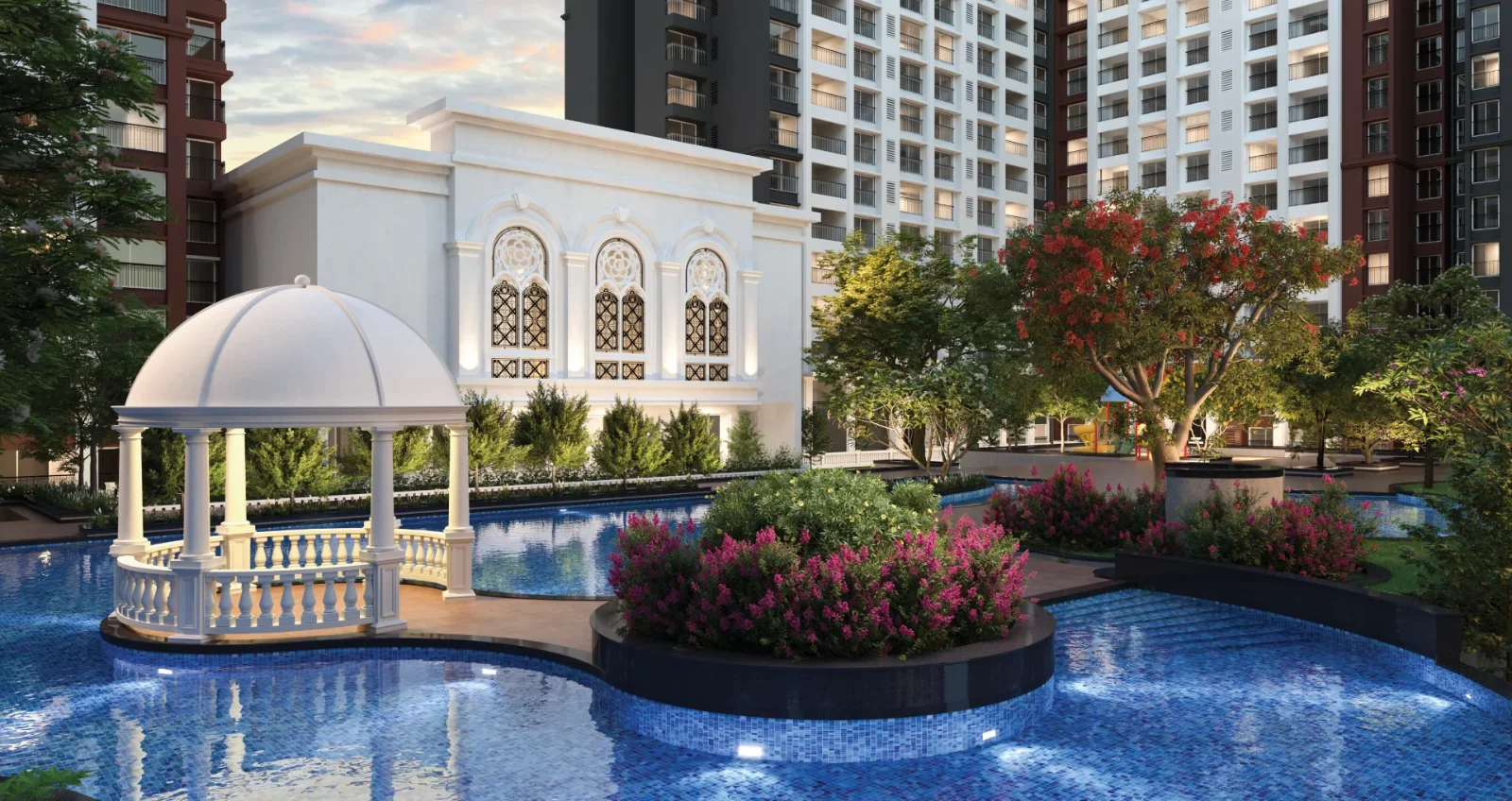
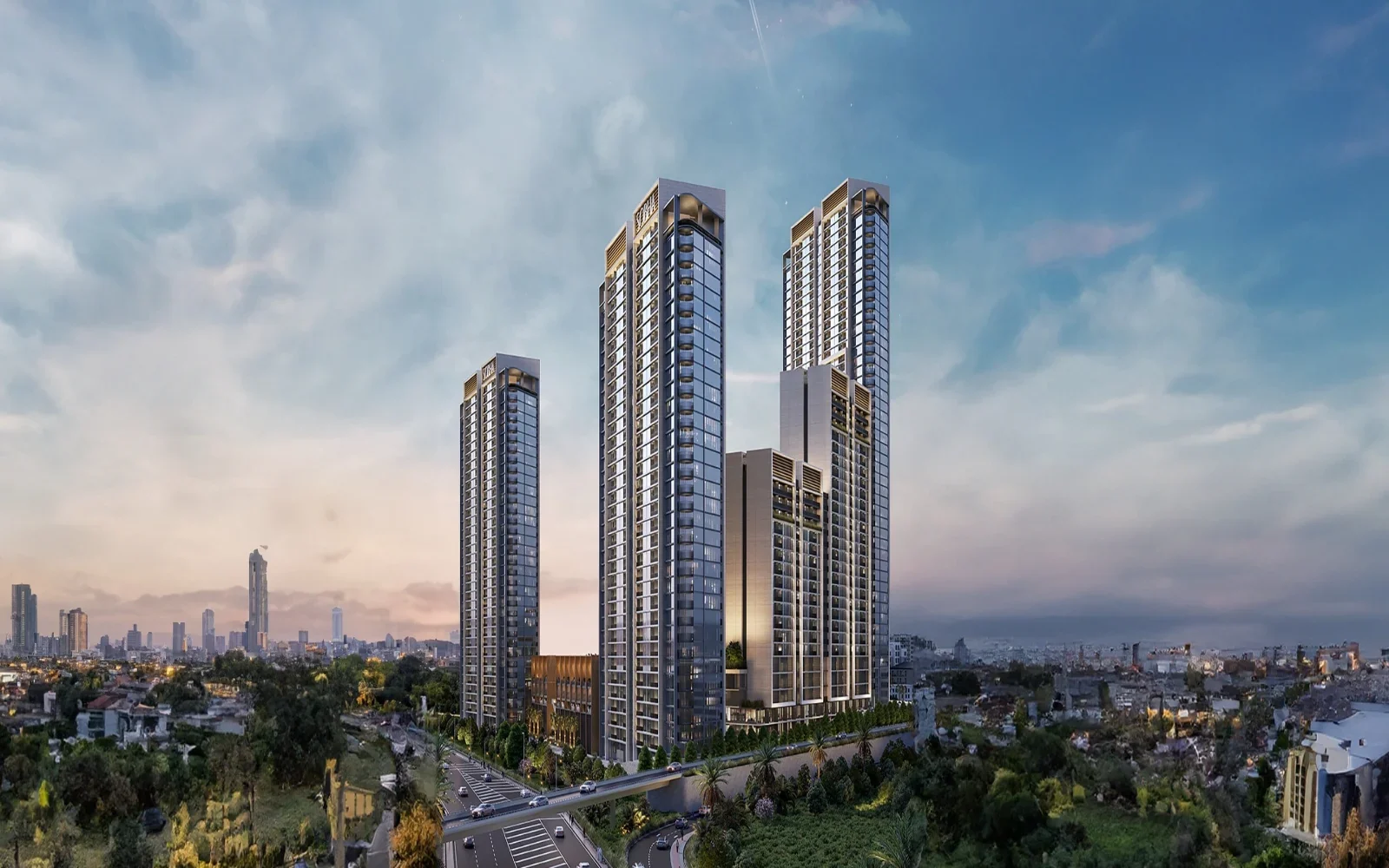
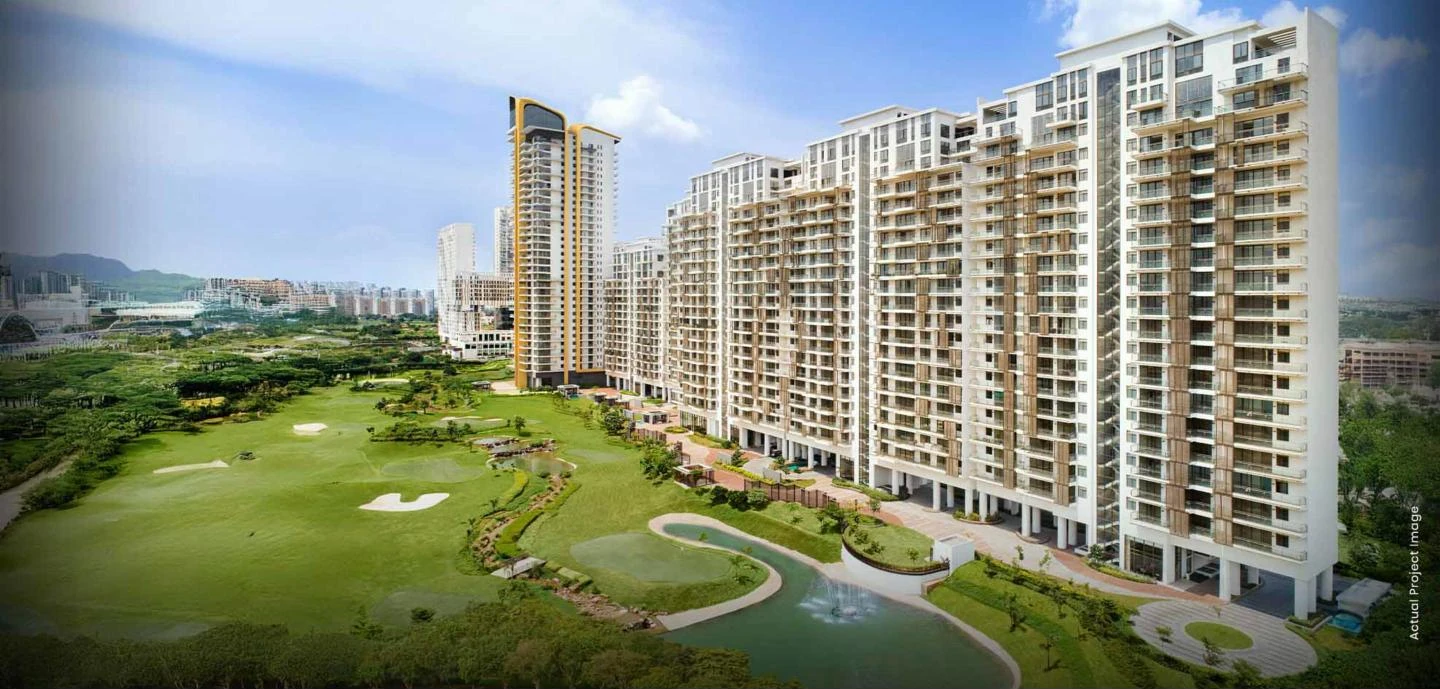
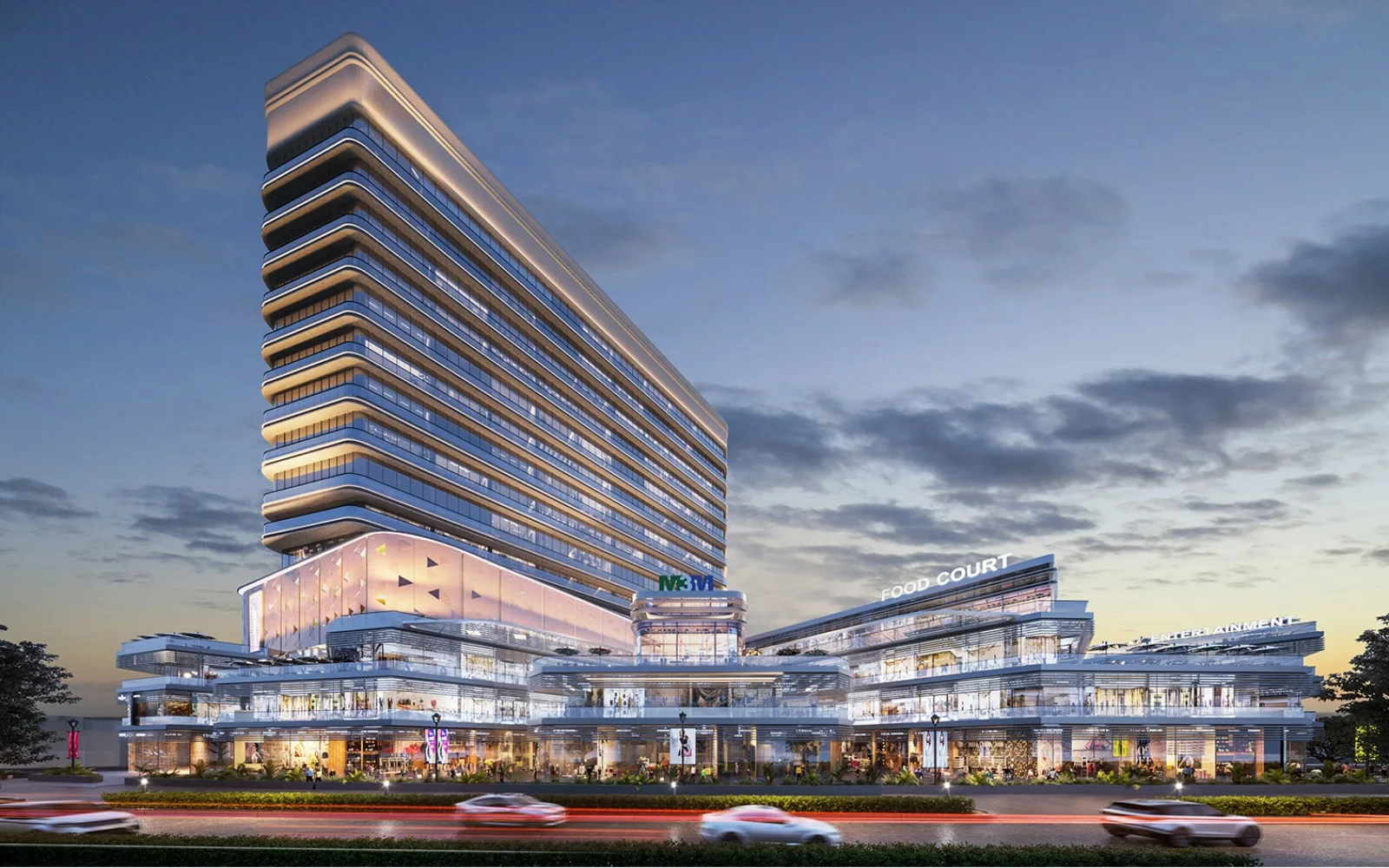
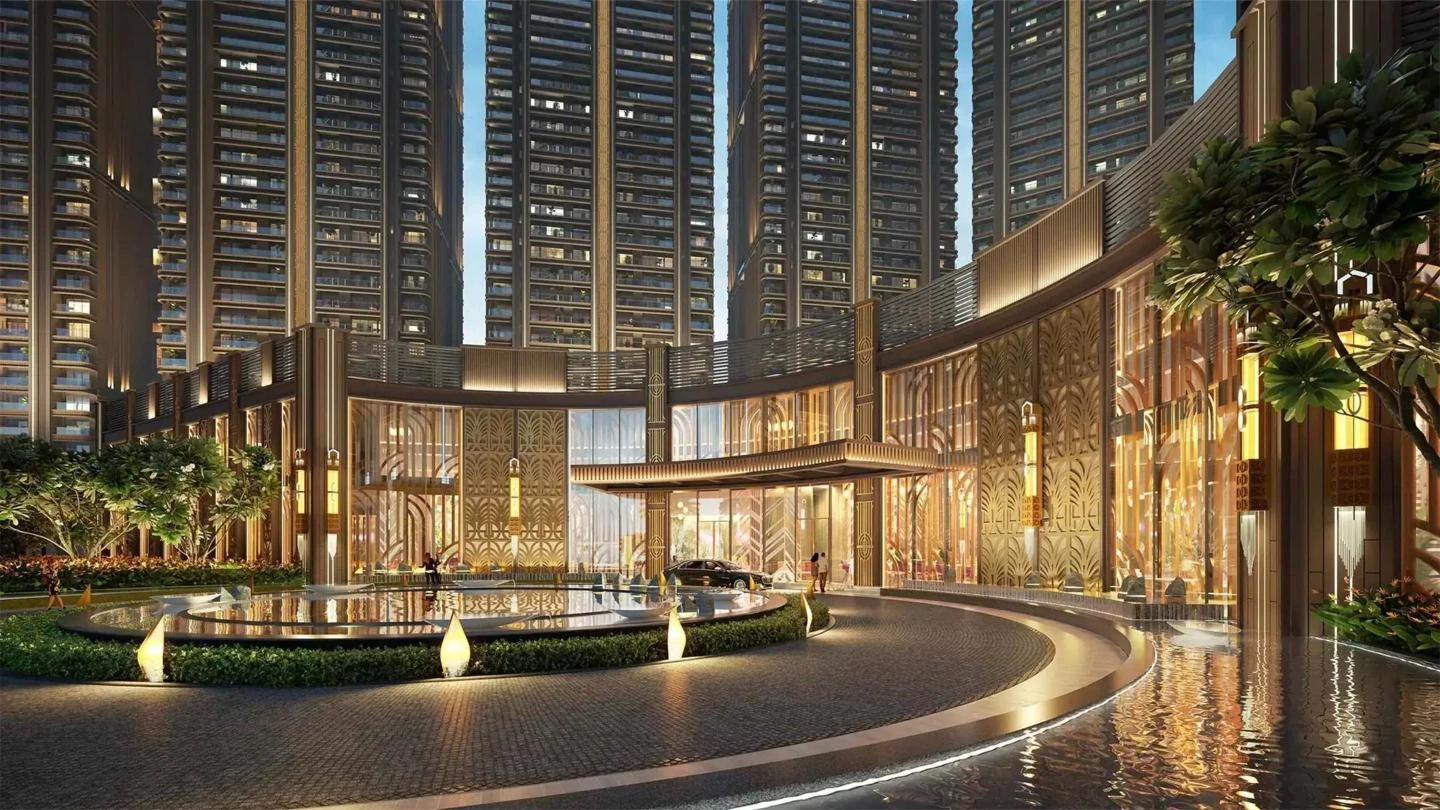
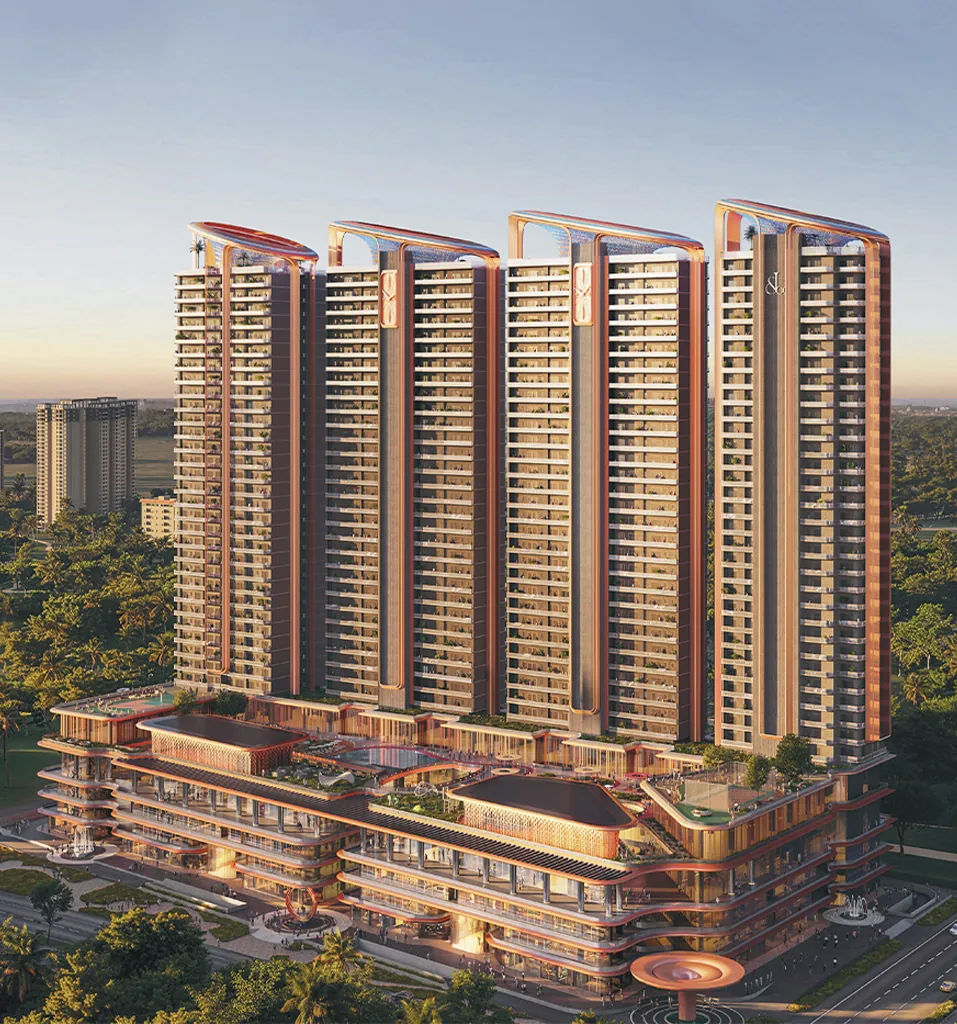
The Westin Residences, Dwarka Expressway, Gurgaon — illuminated arrival court at dusk
Luxury Real EstateBengaluru · Hyderabad · Gurgaon · Dubai

Discover the clarity in Real Estate.

A research-led advisory for buyers who treat an address as a long-term position, not a purchase. Every conversation is private, every mandate handled by a single dedicated relationship manager.

Explore residences
Scroll
SobhaLodhaEmbassy GroupM3M IndiaMAIA EstatesMSN RealtyCentury Real EstateSobhaLodhaEmbassy GroupM3M IndiaMAIA EstatesMSN RealtyCentury Real Estate
What we do

Research first.
Recommendation second.

Bridgekeys exists to help discerning buyers discover exceptional properties — guided by trusted real-estate expertise, carefully curated opportunities, transparent counsel, and a genuinely premium experience at every step.

We build long-term relationships, not transactions. Every recommendation is grounded in diligence. Every address we represent is chosen with the same discernment we ask our clients to bring to their own decisions.

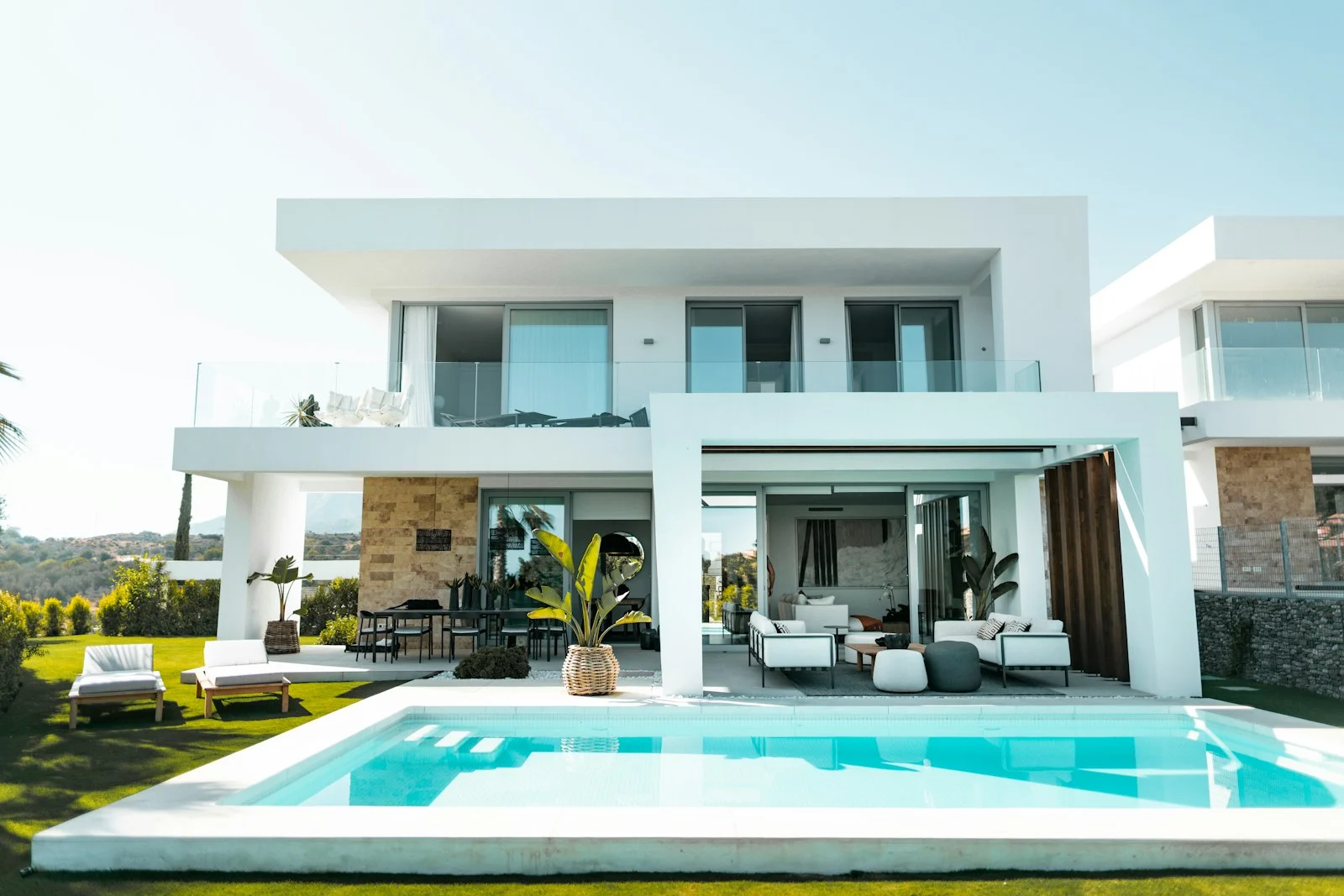
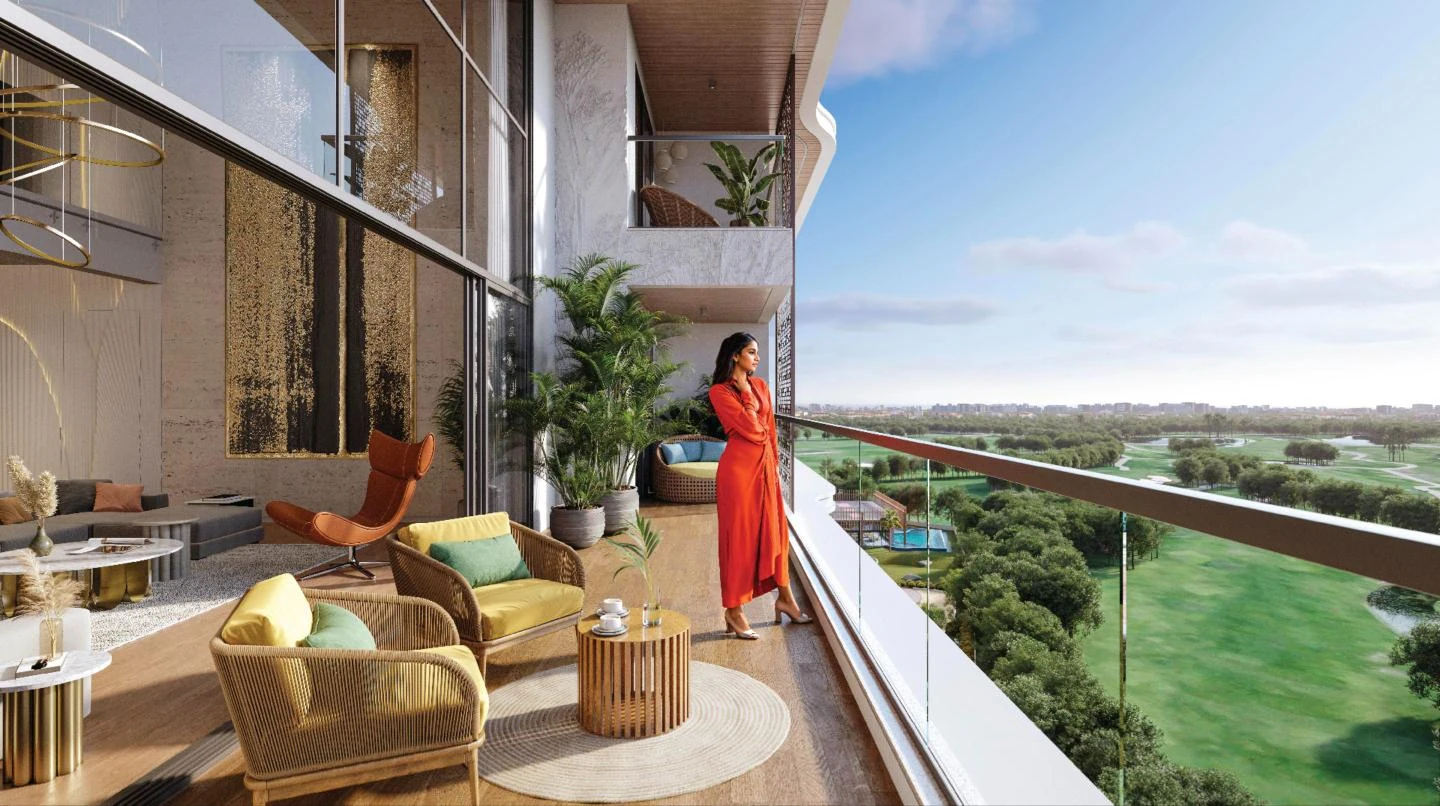
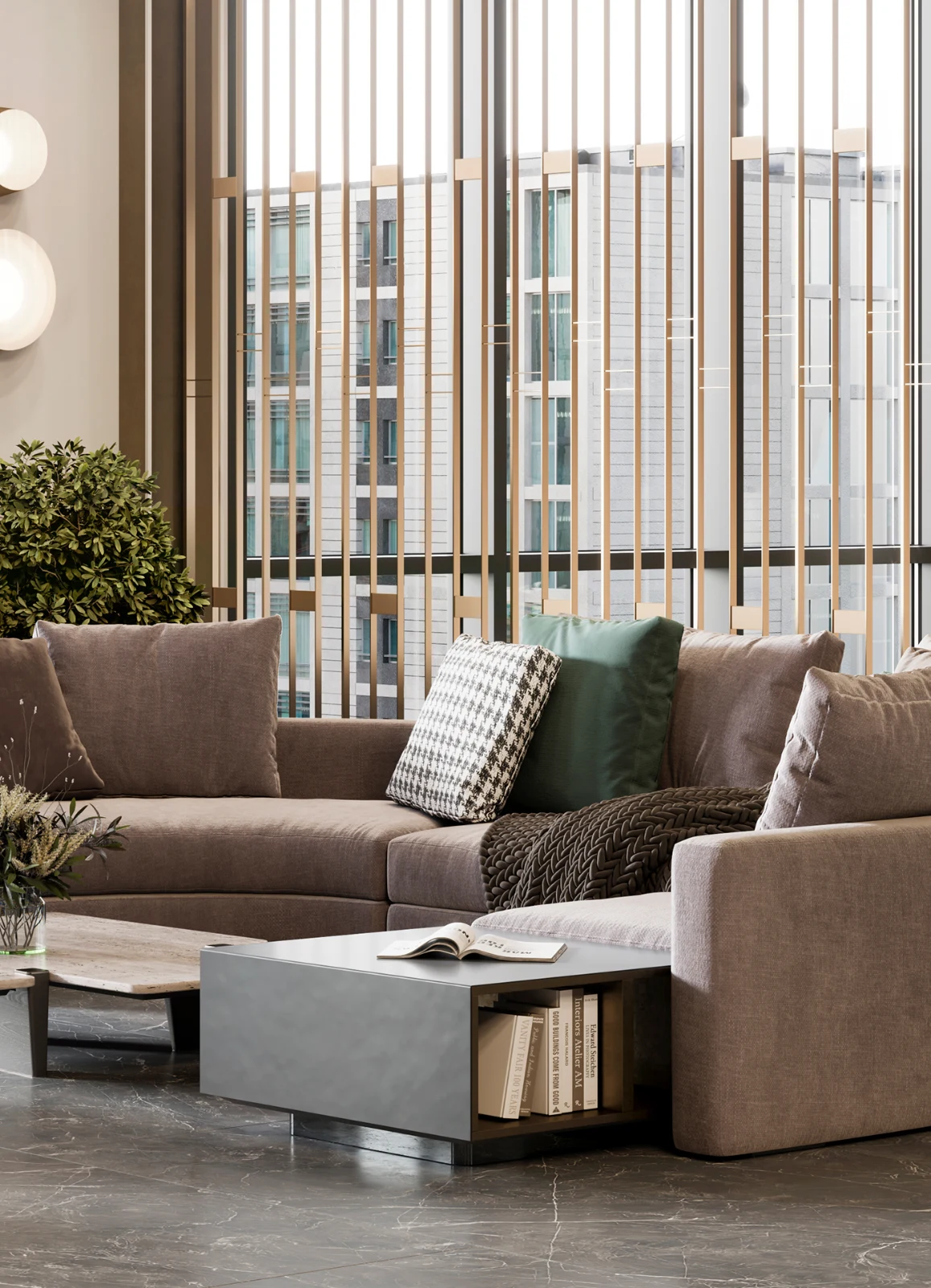
B Lounge interior of a curated residence
0Curated developments
0Relationship manager per client
0Cities represented
0Top of the price band
Handled privately

Discretion is the
first service.

Consultations are held by appointment and in private — at our office, at the site, or wherever suits you. Your name, budget and holdings are never circulated to developers as a lead, never sold, and never used in marketing. Where a booking requires disclosure to a developer, we tell you exactly what is being shared before it goes.

By appointment only

Every conversation
happens in private.

One dedicated relationship manager. No shared floor, no queue behind you, no details passed on. We meet at our office, at the site, or over video if you are buying from abroad.

AB
“I had a great experience with Bridgekeys. The team is professional, transparent, and genuinely focused on helping clients find the right property. I highly recommend them to anyone looking for a luxury real estate company in Bangalore.”
Ashish Kumar Barman · 4 BHK, Sobha One World
Book an appointment

A private
consultation.

Tell us the shape of what you're looking for. A dedicated relationship manager responds within one working day with a shortlist, a pricing view and available site-visit slots — held in confidence, with no mass mailers and no call-centre follow-up.

Prefer to talk now

+91 636 44 66 801
Your request is emailed straight to a relationship manager and held in confidence. Prefer to message? WhatsApp us on +91 636 44 66 801.
From the blog

Market notes,
written plainly.

Read the blog
Bengaluru · New Launches

Lodha Whitefield at Hope Farm: why it is worth a site visit, and what to look for when you go

Three things make Lodha's Hope Farm project unusual for Whitefield. One thing makes it impossible to buy yet. Here is how to use a visit well.

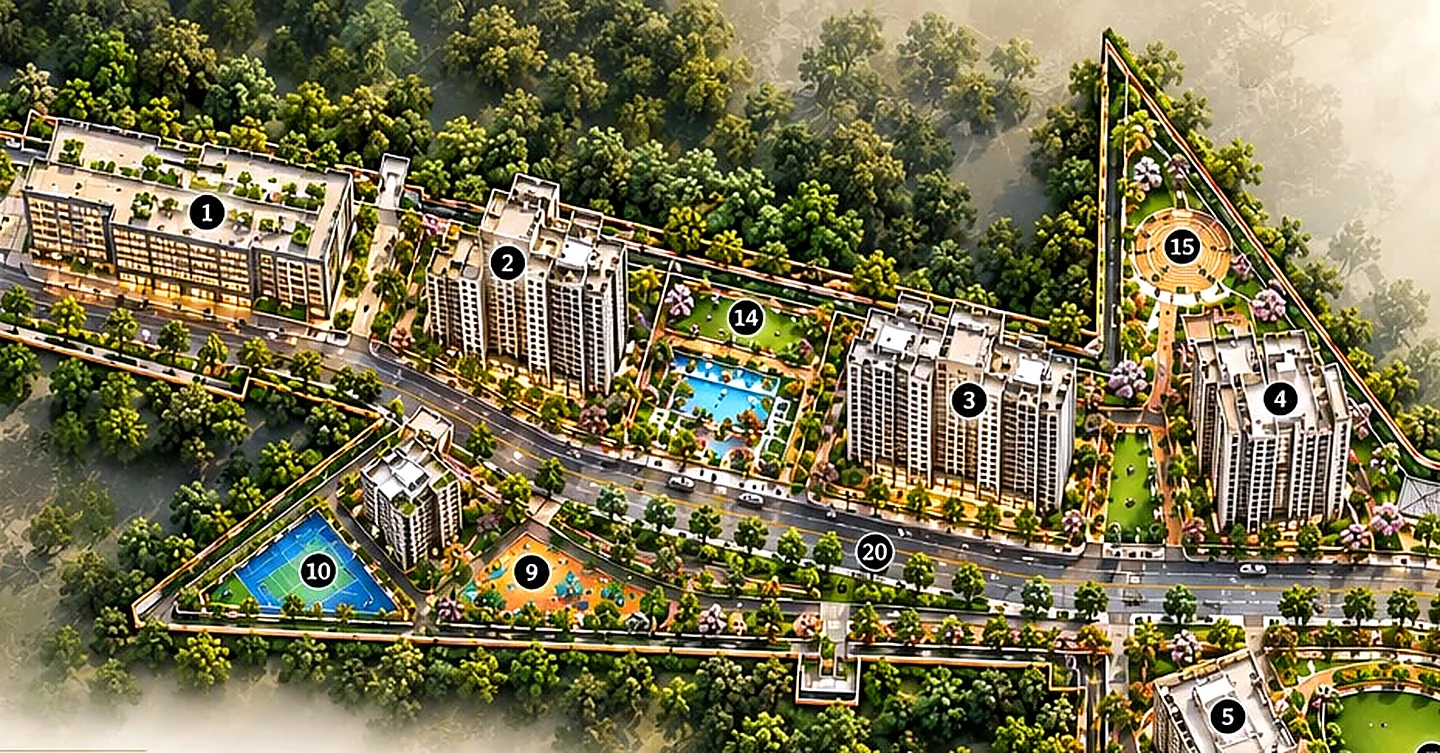
Lodha Developers' upcoming project at Hope Farm Junction on Whitefield Main Road — marketed as Lodha Whitefield and tracked by some as Lodha Hopefarm — has drawn more attention than most pre-launch projects in east Bengaluru this year. Some of that is the brand. More of it, we think, is a combination of three physical facts that are genuinely uncommon on this corridor. They are reasons to go and look. They are not yet reasons to buy, and the difference is worth keeping clear.

It is small, by Whitefield standards. Pre-launch material describes eight to nine acres and six towers. In a corridor where the large launches are now 40 to 50-acre townships carrying 2,000 to 4,000 homes, a project of this size is a different way of living rather than a smaller version of the same thing: fewer people per lift, a smaller and more workable owners' association, less construction disruption over the life of the project, and amenities shared with hundreds of households rather than thousands. The trade-off is the inverse — a smaller parcel cannot fund the amenity programme of a township, so what you are paying for is space and finish rather than the length of the facilities list.

The metro is at the gate. The site sits roughly 120 metres from Hopefarm Channasandra station on the Purple Line, which is now operational. For a city in which almost every launch brochure promises metro connectivity in the future tense, a station you can walk to in two minutes is a material difference, both in daily life and in how the home will be valued on resale. It is the single fact about this project that does not depend on anyone's projections.

Every residence has a private deck. The design feature Lodha has led with is a large private deck attached to each home. In practice that means an outdoor room rather than a balcony — the kind of space that is common in a villa and rare in a tower. Whether it matters to you depends on how you live, which is exactly what a site visit, and later a sample flat, should test.

And the thing that makes it impossible to buy yet. Lodha Whitefield is not registered with Karnataka RERA. Every figure circulating — configurations of 3, 3.5, 4 and 5 BHK plus penthouses, sizes from around 2,500 sq ft for the 3.5 BHK, indicative pricing from roughly ₹3.8 crore to ₹4.6 crore, a Phase 1 possession date of December 2030 — comes from pre-launch material rather than an approved filing. Under the RERA Act an unregistered project cannot be booked or sold. Expressions of interest are being collected, reportedly at around ₹7.2 lakh for standard homes and ₹15 lakh for the larger residences and penthouses; if you choose to place one, make sure in writing that it is fully refundable and does not amount to an allotment.

What to look for on the visit. Go at peak hour, not on a Sunday morning, and time the drive from the gate to where you work. Walk from the site to the metro station yourself. Look at what sits immediately around the parcel — the Hope Farm pocket already has Mahindra Blossom and Alembic's developments nearby, and what gets built on the remaining open land will shape the outlook from your deck. Ask which towers come first and which face the junction. And ask how the deck is counted: whether it sits in the carpet area, the built-up area or only the super built-up, because at roughly ₹16,000 per square foot that decision alone can move the effective price of a home by tens of lakhs.

How it compares. At ₹4 crore and above, the obvious comparisons on the same corridor are registered projects you can buy today — Brigade Avalon in the Whitefield core at ₹4.62 crore, and Prestige Raintree Park facing Varthur Lake at ₹3.70 crore. Neither has a metro station at the gate or a deck with every home; both have a registration number and a declared completion date. That is the real decision, and it is worth framing honestly: certainty now, or an unusual product later at a price nobody has fixed yet.

A disclosure, since this is written as an assessment rather than a sales sheet: Bridgekeys works with Lodha as a channel partner, as we do with several of the developers named here. Our view is that Lodha Whitefield is one of the few pre-launch projects in Whitefield this year worth a dedicated visit — and that nothing about it should be paid for until the registration is public.

Full article ↗
Buying Guide

Carpet area, built-up, super built-up: what you are actually paying for

Two homes, both 3,000 sq ft, both ₹5 crore. One gives you 2,400 sq ft to live in; the other gives you 2,222. The difference has a name, and it is on the price sheet.

Every apartment in India is described by at least three numbers, and buyers are usually quoted the largest one. Carpet area is the floor you can actually walk on inside your own walls. Built-up area adds the walls themselves and the balcony. Super built-up area adds your share of everything held in common — the lobby, the lift shafts, the staircases, the clubhouse, the corridors, sometimes the generator room. The gap between carpet and super built-up is called loading, and it is where the money quietly goes.

Loading is expressed as a percentage of carpet area: a home with 2,400 sq ft of carpet sold as 3,000 sq ft super built-up carries 25% loading. Twenty-five to thirty-five per cent is the ordinary range in Indian cities. Premium projects often sit at the top of it or beyond, and for a reason that is not sinister: a 1,00,000 sq ft clubhouse, wide corridors and generous lobbies are exactly what you are paying a premium for, and all of that common area has to be loaded onto somebody's saleable area. A low-loading project is not automatically the better buy. It may simply have less to share.

The arithmetic is worth doing properly because it is rarely done for you. Take two homes, both quoted at 3,000 sq ft super built-up, both at ₹5 crore — the same ₹16,667 per square foot on the price sheet. The first carries 25% loading, so its carpet area is 3,000 ÷ 1.25 = 2,400 sq ft, and you are paying ₹20,833 per square foot of usable floor. The second carries 35% loading, so its carpet is 3,000 ÷ 1.35 = 2,222 sq ft, and you are paying ₹22,500. The second home costs 8% more per usable foot, and the 178 sq ft you lose is roughly a bedroom.

This is why the per-square-foot number in a comparison is close to meaningless unless both sides are measured the same way. When we put two projects side by side we convert everything to a carpet-area rate first, because that is the only basis on which they are comparable. Any advisor who will not do that conversion for you is not comparing, they are presenting.

The law is clearer than the sales practice. Under the Real Estate (Regulation and Development) Act, carpet area is defined in Section 2(k) as the net usable floor area within the apartment's walls, excluding the external walls, balcony and verandah, but including the internal partition walls. RERA requires that a home be sold on the basis of carpet area, and that the carpet area be stated in the agreement for sale. It does not prohibit quoting a price per super built-up foot in marketing, which is why both numbers continue to circulate and why the agreement is the document that settles it.

So the four things to establish before you compare anything. Ask for the carpet area in writing, not the super built-up. Calculate the loading yourself rather than accepting a quoted percentage. Ask what the common area actually buys — a large clubhouse is worth loading, a large lobby is not. And read the agreement for sale, because the carpet area stated there is the number you are contractually buying, whatever the brochure says.

One last note for buyers coming from older stock. Builders occasionally quote 'built-up' when they mean super built-up, and the terms are used loosely in conversation even by people being entirely honest. The only reliable move is to ask for the three numbers separately — carpet, built-up, super built-up — and see whether they add up. If someone cannot give you all three for a specific unit, that is itself the answer.

Full article ↗
Buying Guide

Stamp duty and registration in 2026: what you actually pay in Bengaluru, Hyderabad and Gurgaon

The same ₹3 crore purchase costs ₹18 lakh in Hyderabad and ₹24 lakh in Gurgaon. In one of the three states, the name on the deed changes the bill by ₹6 lakh.

Stamp duty and registration are the costs buyers budget last and discover first. They are also the only part of a purchase where the government, not the developer, sets the price — and the three cities we work in charge quite differently for the same transaction. Here is where each stands in 2026, and what the differences amount to on a real number.

Bengaluru (Karnataka). Stamp duty is 5% on property above ₹45 lakh, with a cess and a surcharge calculated on the duty, and the registration fee doubled from 1% to 2% in August 2025. Together the statutory outlay now runs roughly 7 to 7.6% of value. Karnataka also revised guidance values inside Bengaluru urban limits upward by 6 to 15% in February 2026, which raises the base the duty is charged on even though the percentage did not move.

Hyderabad (Telangana). Within municipal corporation limits the structure is 4% stamp duty, 1.5% transfer duty and 0.5% registration fee — about 6% in total, the lowest of the three. The headline rate has not changed, but guidance values in core urban areas around the Outer Ring Road were raised by roughly 30 to 50% in 2026, so the amount payable has risen materially even at an unchanged rate. There is no gender concession in urban Telangana.

Gurgaon (Haryana). Stamp duty is 7% for a male owner, 5% for a female owner and 6% for joint ownership, plus a 1% registration fee — so roughly 8%, 6% or 7% depending on how the title is held. Haryana revised collector rates with effect from 1 April 2026, its third revision since the 2024 state elections: most locales rose 15 to 30%, some fast-developing zones by as much as 75%, and about half of notified neighbourhoods did not change at all.

On a ₹3 crore purchase, that works out as roughly ₹22.8 lakh in Bengaluru, ₹18 lakh in Hyderabad, and ₹24 lakh in Gurgaon if the deed is in a man's name — or ₹18 lakh if it is in a woman's. Haryana is the only one of the three with a gender concession, and at this ticket size it is worth ₹6 lakh. That is a legitimate and widely used saving rather than a loophole, and it is worth deciding deliberately rather than letting the builder's documentation team fill in the form.

The mechanic that catches people out is which value the duty is charged on. In all three states it is the higher of your agreement value or the government's own valuation — the guidance value in Karnataka and Telangana, the collector rate in Haryana. Where market prices already sit well above the government figure, which is the case across most of luxury Bengaluru and Golf Course Road, a revision to that figure changes nothing for you. Where the government figure was lagging and has now been pulled up, it changes a great deal. That is why the 2026 revisions bit hardest in New Gurgaon and around Hyderabad's ORR, and barely registered in the established addresses.

Two consequences worth carrying into the decision. The government valuation is also a floor for income tax purposes: recording a transaction below it can see the difference treated as income in the hands of both buyer and seller, so there is no advantage in understating a price in a revised area. And a higher guidance or collector rate raises your acquisition cost, which lowers the capital gain when you eventually sell — a small consolation, but a real one if you are buying with an exit in mind.

The practical instruction is simply to budget the right number. Buyers routinely carry 5 or 6% in their heads because that is what it used to be. In 2026 it is closer to 6% in Hyderabad, 7.6% in Bengaluru and 8% in Gurgaon, and on a purchase at these levels the gap between the remembered figure and the real one is several lakh rupees arriving at the worst possible moment. This is general information rather than tax or legal advice — confirm the current rate for your specific sector and deed type before you sign.

Full article ↗
Google reviews

Bought with us?
Tell the next buyer.

Reviews on our Google Business Profile help other buyers decide whether we are the right advisor for them. If we have helped you — or fallen short — an honest review takes a minute and says more than anything we could write about ourselves.

Call us WhatsApp us